
Ambient listening and speech to text
Ambient Clinical Documentation
The conversation stays with the patient. The draft waits for the clinician.
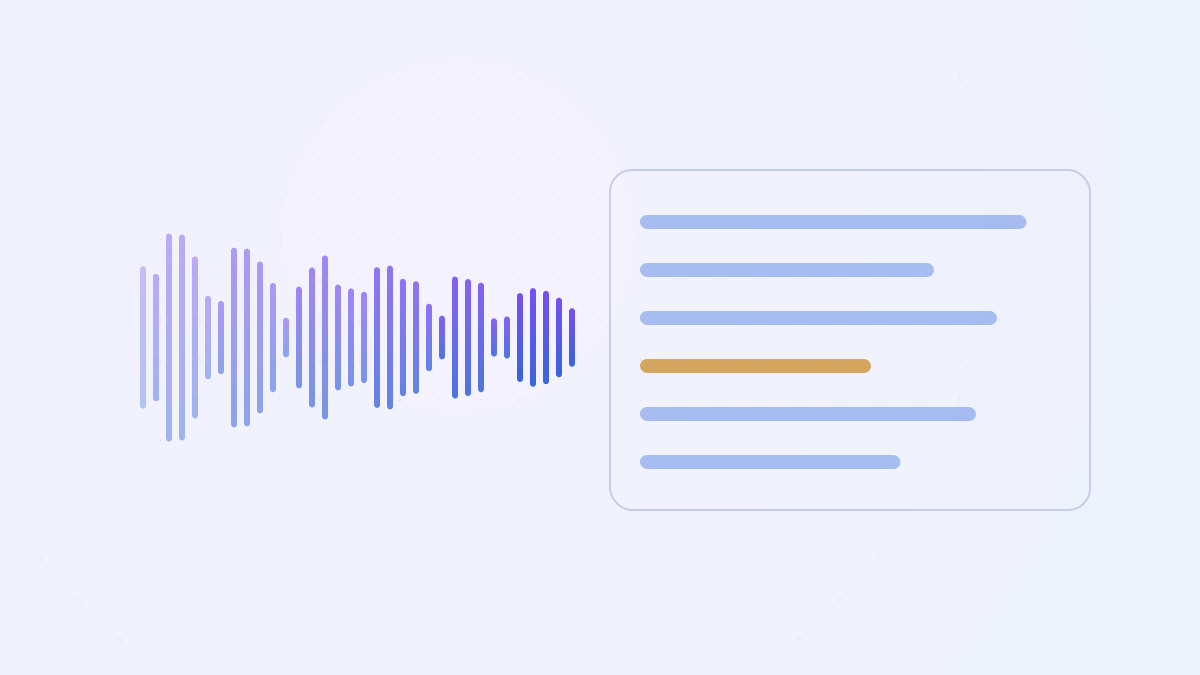
Ambient Clinical Documentation is designed to listen to a consented clinical encounter, transcribe it, and prepare a structured draft note that the clinician reviews, corrects, and signs. Every sentence links back to what was said.
Demonstration
Demo with synthetic data
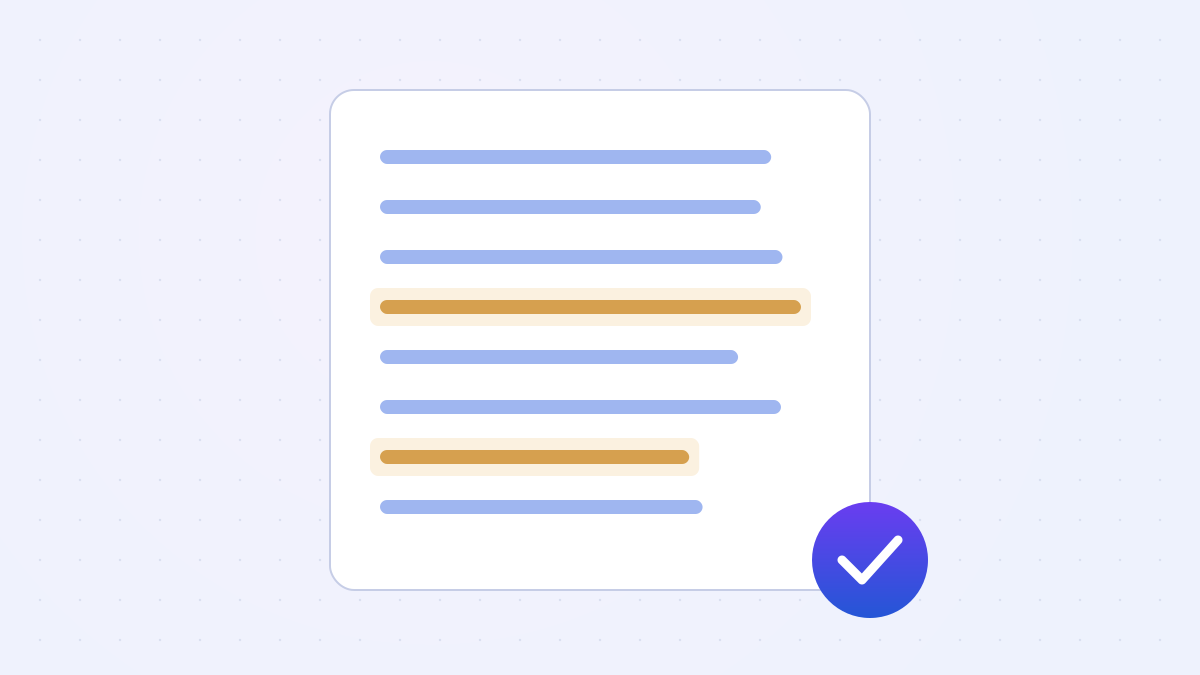
A synthetic consultation becomes a draft note. Each line links to its source, and flagged items wait for review.
All names, values, and records in this demonstration are invented. It illustrates the workflow and is not a screenshot of a deployed system.
Ambient Clinical Documentation
Conceptual demo, synthetic dataListening
Conversation
Consented consultation, transcribed
- Clinician T1
What brings you in today?
- Patient T2
This cough has been going on about three weeks. It’s worse at night.
- Clinician T3
Any fever, or are you bringing anything up?
- Patient T4
No fever. A little clear phlegm in the mornings.
- Patient T5
I started the metformin last month, the five hundred one.
- Clinician T6
Your chest sounds clear. If it isn’t better in two weeks, we’ll get a chest X-ray.
Structured draft
Draft note
- Confirm dose and frequency
Select a draft line to see the sources it came from.
Design intent
Design intent
- 01
Consent first
Recording starts only after the patient has been told and has agreed. The consent moment is part of the record.
- 02
Speaker-aware transcription
Speech to text that separates clinician and patient turns, so the draft reflects who said what.
- 03
Structured draft note
Transcript content is organised into the sections a clinician expects: history, examination, assessment, and plan.
- 04
Source-linked sentences
Each drafted sentence points back to the transcript span it came from, which makes checking fast.
- 05
Uncertainty in plain view
Low-confidence words, medication names, and doses are highlighted rather than silently guessed.
- 06
Nothing files itself
A draft becomes part of the record only after the clinician reviews and signs it.
How it works
- 1
Consent
The clinician explains the tool, and the patient agrees or declines.
- 2
Listen
The encounter is captured while the clinician keeps attention on the patient.
- 3
Draft
Speech becomes a structured draft note with source links.
- 4
Review
The clinician checks highlighted items, edits, and signs.
Built for
- Outpatient and specialist clinicians
- Nursing and allied health teams
- Clinical informatics leads
Safeguards
- Drafts are always labelled as drafts until signed.
- Medication names, doses, and laterality are flagged for explicit confirmation.
- Audio retention follows the institution’s policy and is configurable, including no retention.
Boundaries
- This is a working title for a product in design. Capability and availability are to be confirmed.
- It does not make diagnoses or treatment decisions.
Related reading
AI scribes for clinical notes
Ambient AI scribes promise to give clinicians their attention back. Early studies are encouraging but mixed, and design details decide whether the promise holds.
Making clinician review work
“A clinician reviews every output” is only a safeguard if the review is designed to work. What research on automation bias says about building it well.
Protecting patient data in AI systems
Health data protection depends less on policy documents than on where data goes, who can reach it, and what is kept. Six architecture choices that make privacy hold.
Request a demo
Request a demo
Ambient Clinical Documentation is already selected. Change it if you’d like to see something else.